


Honored to be an honorary SafePath Pal. You can have a look at some of the incredibly important work that they do at www.safepath.org
From East Cobber Magazine:
26 Male Survivors Of Sexual Assault Quoting The People Who Attacked Them →
/From Grace Brown’s Project Unbreakable , an online platform that strives to “increase awareness of the issues surrounding sexual assault.” Trigger warning for sexual assault.

On October 10th Coached into Silence director Chris Gavagan will be in Marietta Georgia to speak at the SafePath Children’s Advocacy Center’s Empowerment Luncheon.
For more info or to sign up, you can check out Safepath’s Events page, under Happenings. http://www.safepath.org/events/happenings%20
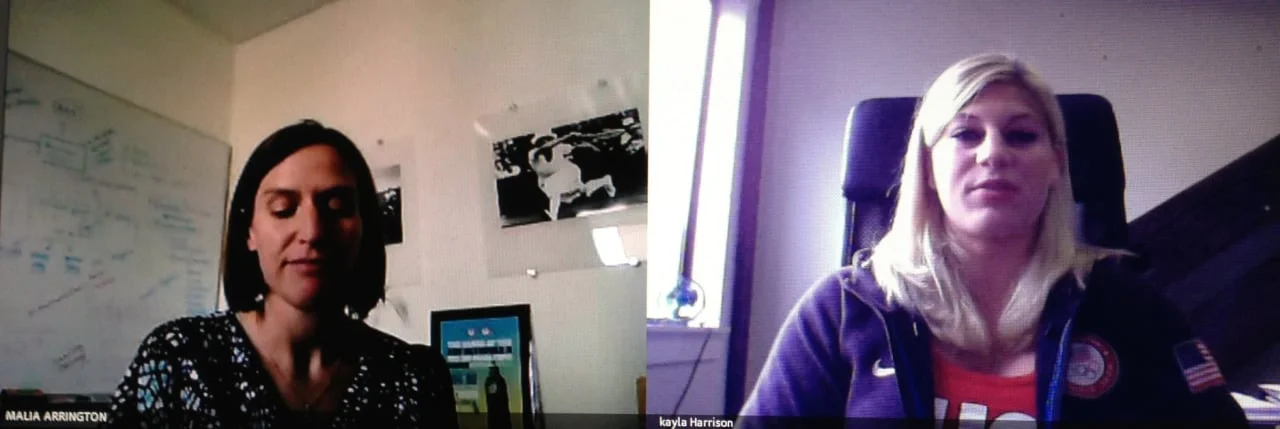
Webinar taking place right now with USOC Director, Ethics and Safe Sport Malia Arrington & Kayla Harrison

“My perpetrator’s words are the deepest, most insidious part of my abuse.
I wrote them down, I read them, I saw them in black and white on the paper. And I saw them reflected in the looks on the faces of people in the street that day.
For the first time, I got those words off of me and out of me. It loosened my grip on the lie—the lie that somehow all of this was my fault, that somehow, at five years old, I caused it.
I held that sign, I bore its weight and I walked away lighter.” - Maile Zambuto in her introduction to Grace Brown; Joyful Revolution Gala 2012
Googling yourself while still in your pajamas at four-thirty pm on your birthday (this project is no longer run by a teenager!) is perhaps the lamest thing you can do. And I usually abstain from posting anything other than portraits on the website. However, Maile’s story about being photographed portrays exactly why I do this & I really wanted to share this one with you guys.
Also, side note: about a year ago, I was graduating from high school. It’s amazing to me how much has changed in a year. Thanks for your continued support of both the project and of the survivors who participate. I can’t tell you what it means to me to see everyone come together.Grace
Looking at my project unbreakable photo makes me feel proud. That is powerful, especially since my trauma is so encumbered with feelings of shame and regret.

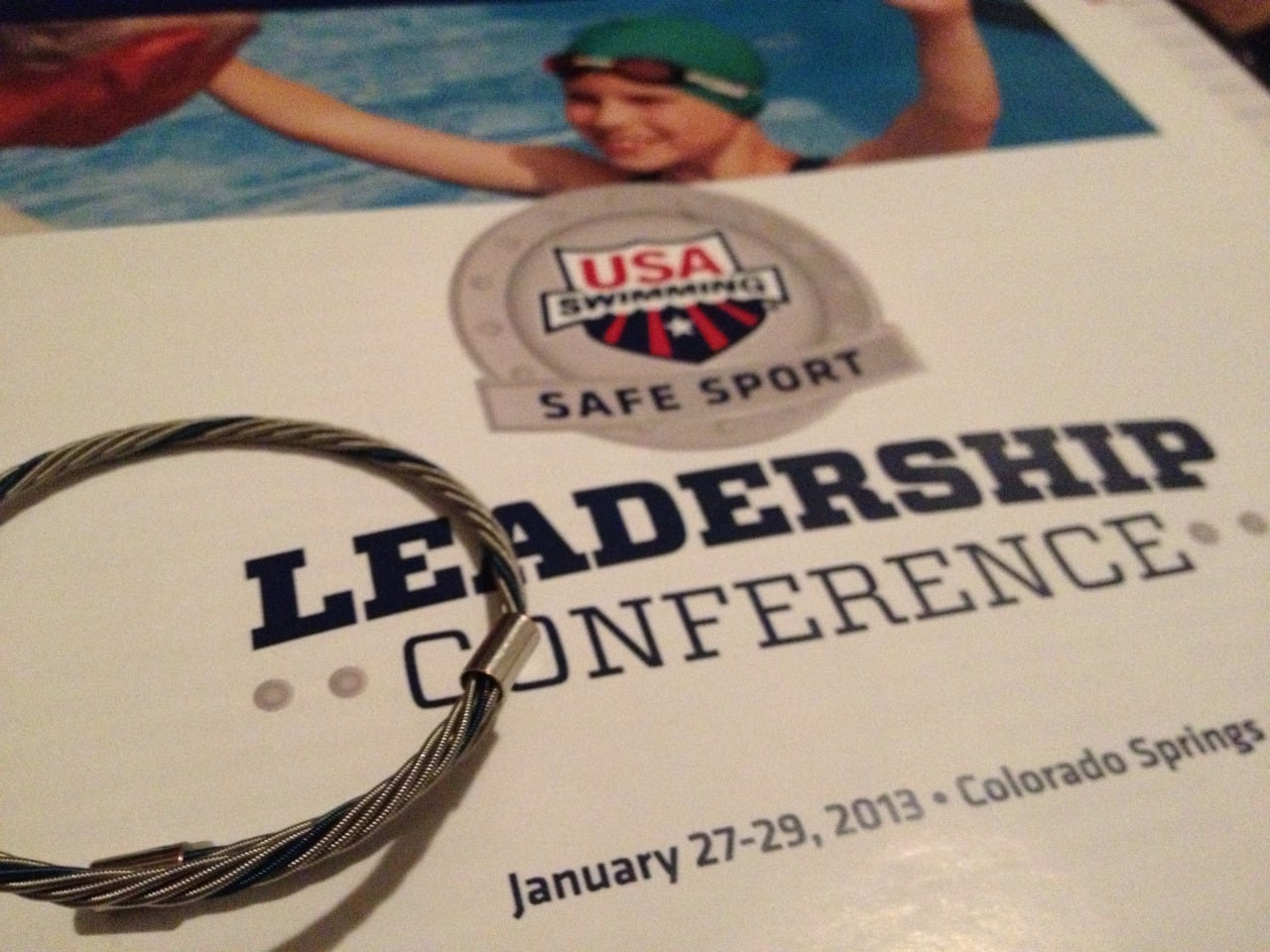
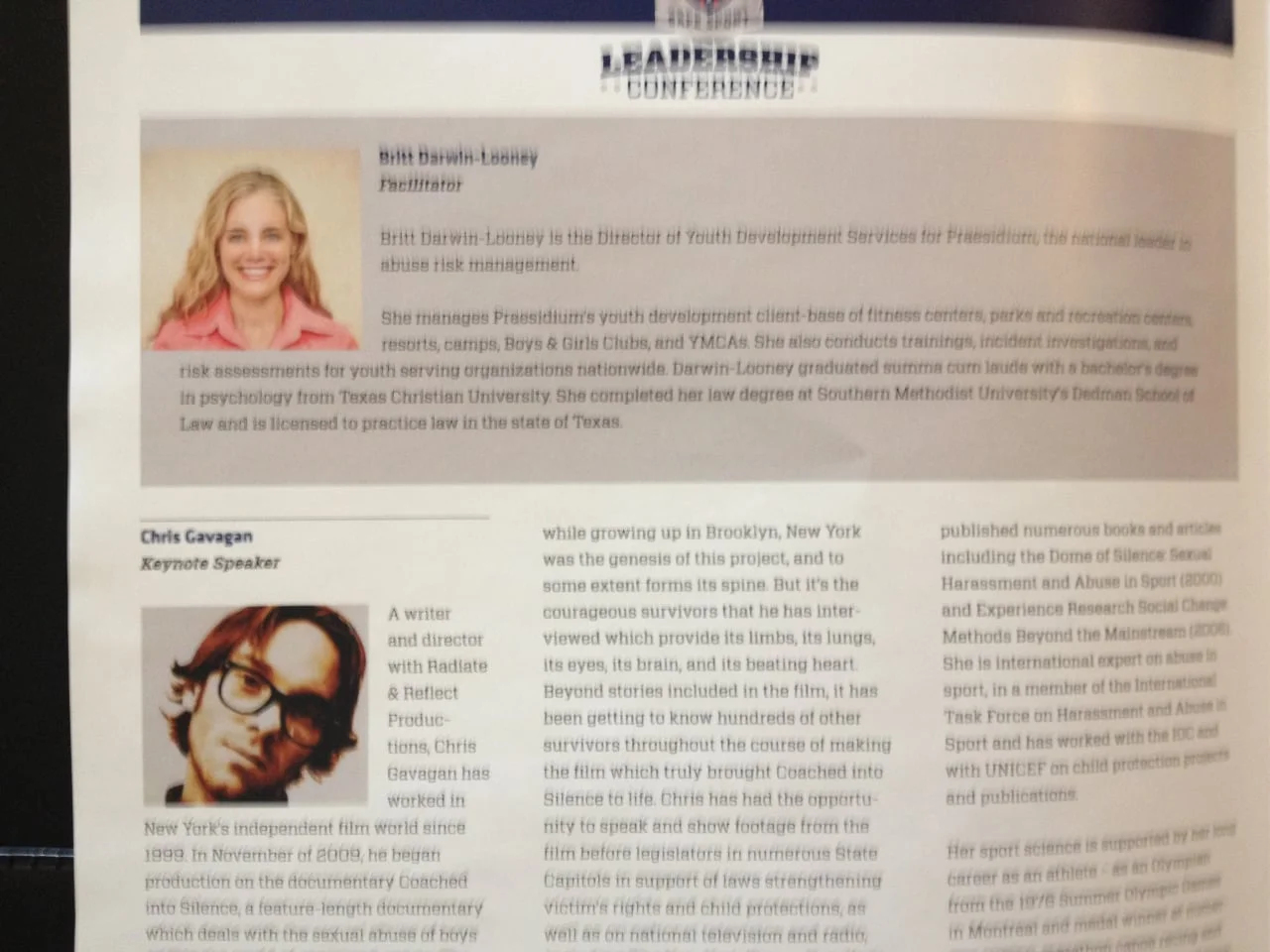
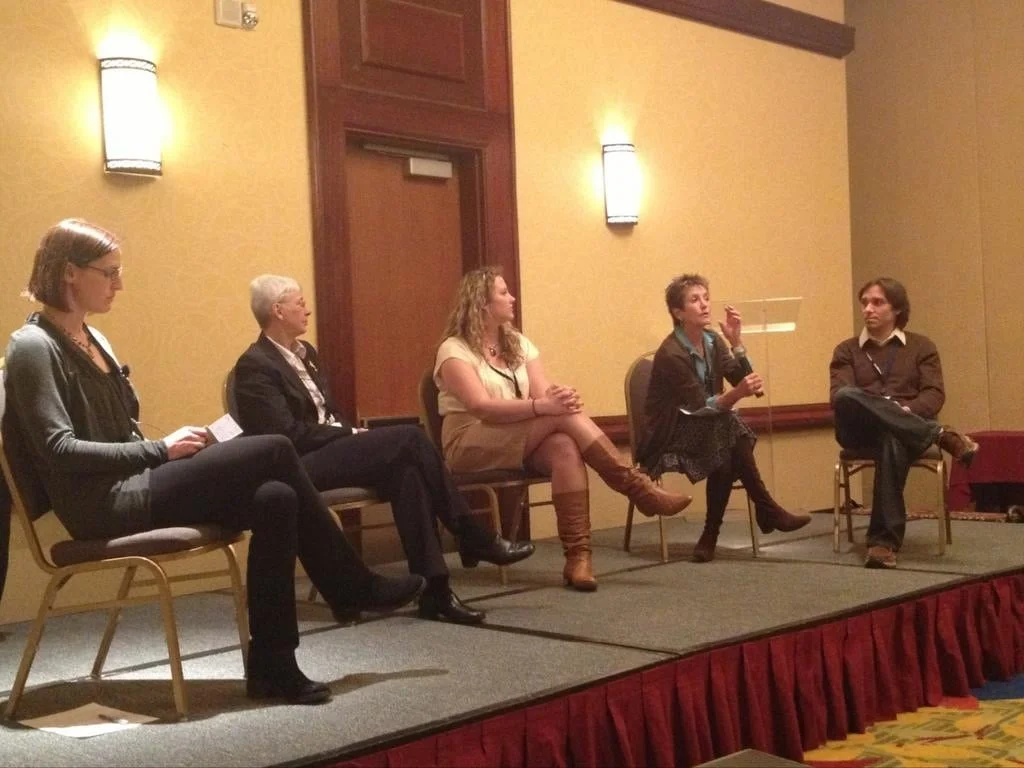
This Sunday I will be headed to Colorado Springs to attend the Safe Sport Leadership Conference, hosted by USA Swimming. In addition to taking part in a panel discussion Monday morning, I will have the honor/opportunity/responsibility of giving the keynote (!) address Monday night.
Attendees will include leaders from the United States Olympic Committee and Olympic sport National Governing Bodies. I have been preparing the presentation of a lifetime (my lifetime anyway) for two weeks now, and I know that all that I can ever be or bring to any situation is the truest version of me, and I am certain that–if nothing else–it will live up to the Thoreau quote that I posted the other day, “that I will give them a strong dose of myself.”
Given the opportunity to speak to the most influential decision-makers in amateur sports, with many other leaders from national youth serving organizations in attendance…a captive audience for thirty minutes…what would *you* want to say to them? What would *you* need them to know?


Honored to be a part of this project: “Just Tell is thrilled to debut our new Be Your Own Hero video project with the first video made by our dear friend Chris Gavagan of Coached into Silence! Videos made by friends and supporters of JustTell will empower youth to tell someone if they are being sexually abused.”
“The documentary is only a work in progress; but, on the evidence of his contribution to a conference in New York last week, Christopher Gavagan’s story – for he is the filmmaker with the guts and courage to delve into his own past – should make for a harrowing tale. It should also serve as a lesson, not just to other young sportsmen with their eyes on pursuing the dream of sporting excellence, but to many families and to society at large.”
Philip Reid zeroing in on what Coached into Silence is all about, in The Irish Times: http://www.irishtimes.com/newspaper/sport/2012/1124/1224327042084.html
Coached into Silence in The NY Times: Close Relationship Between Player and Coach, Potential for Sexual Abuse→
/It was the summer before high school, and Christopher Gavagan, then 13, was preparing to leave the safe familiarity of the friends he had known during his boyhood. With a plan to excel at ice hockey, he began training on inline skates, moving through his New York City neighborhood, up and down the streets until, he said, “I turned down the wrong street.”

Gavagan, now a filmmaker, was one of eight panelists who participated Friday in a discussion about young athletes who have been sexually assaulted or abused by their coaches. The panel was part of the MaleSurvivor 13th International Conference, held this year at John Jay College of Criminal Justice. The conference brought together men who have been sexually abused, as well aspsychologists, social workers, academics and members of the legal community.
You can read Eric V. Copage’s full article here.
Once Keyon Dooling let his secret go, it set him free to help others→
/I had the honor of sitting next to Keyon on the panel “Abuse in Sports: How Can We Change the Game?” at the MaleSurvivor.org International Conference last Friday. For some background on Keyon you can read Dave D’Alessandro’s piece below, from the Star-Ledger.

There was a memorable self-portrait from the troubled hockey genius who passed through New York a decade ago, Theo Fleury, who tried to explain an endless battle with alcohol and drugs with this poignant observation: “You’re only as sick as your secrets,” he said.
And so there was Keyon Dooling, just three months ago, back home in Florida after signing a one-year, $1 million invitation to return to the Boston Celtics and making plans to head north for pre-camp workouts. The only problem: He was tired of the NBA life. Indeed, he felt forced into it.
“I had planned my exit strategy during the lockout — that took a lot out of me, and I thought (the 2011-12 season) would be it,” he said. “But it wasn’t just my friends and relatives opposed to me retiring, it was my wife, my kids, my pastor.
“I never felt so isolated before, and it was like a big conflict at home. Even my agent waved (dismissively) at me. I was like a kid who couldn’t get his way, and didn’t know how to handle it.”
Dooling, 32, signed the deal to make everybody happy. But his behavior became erratic, his cognition faltered. A public incident in front of his home, where a neighbor believed he was playing too roughly with his own children, led to a visit from the police.
“And when the cops came to my house, it just set me over the edge,” Dooling said. “But that’s all I can remember.”
His next lucid moment — this was after the medication wore off — was at a psychiatric hospital in South Florida. And it was there that Keyon was told by his wife, Natosha, that it was time to explain how this finest of men — a pro’s pro for 12 NBA seasons (two with the Nets), a deeply spiritual family man, and a superb father — could be dragged out of their house in handcuffs in front of their four children.
“We’ve known each other since we were 15,” Natosha told her husband. “And you’ve never hidden anything from me before. I need to know now how we got to this point.”
“So,” Keyon said, “I told her what I had kept hidden since I was 5 years old.”
It was at that age that Dooling was first sexually molested — by a male, teenaged friend of his older brother.
“It happened … many times,” he explained, “and also with young ladies in my neighborhood in Fort Lauderdale. I was so young I didn’t consider that part abuse, because I thought I was just hanging with the in-crowd. But it was something I suppressed all my life.”
If you express shock at the torment he has carried for 27 years — and the post-traumatic stress that triggered the meltdown in August — Dooling responds like this: “But I’m grateful it happened, my man — because now I have to deal with it, and now I know it’s my time to help others deal with it.”
He was driving down from Boston on Friday morning as we spoke, heading toward John Jay College in Manhattan, where they were holding the annual International MaleSurvivor Conference. Joe Ehrmann, the former Colts tackle from the ’70s — also a minister and abuse survivor — was to deliver the keynote.
Dooling wasn’t sure which part of the symposium he’d address, and he knows the details of his story are excruciating — just Google his appearance on the Katie Couric show last week — but he feels obligated to share it.
This is his reason:
“I always felt destined to do something important,” he said. “My basketball career wasn’t the one I wanted to have — I was a lottery pick, I had great potential, but I didn’t necessarily reach the level I wanted to as as ballplayer.
“But this is a time when I must maximize my potential as a man and as a human being. I know that now.”
That’s the thing that strikes you hardest, if you know him — which, clearly, nobody really did. But of all the guys who had passed through Jersey these past 30 years, he was a special one, and it had little to do with talent. It had to do with two other traits, which made others gravitate toward him: wisdom and attitude.
He could turn a losing locker room into a pep rally inside of five minutes. He could turn a dour, baffled coach into someone who understood his team better with a single conversation.
When we asked Vince Carter during the worst of times how he kept his sanity, he pointed at the Nets teammate wearing No. 51 and said, “Right there — he does it for me.” When it came time to choose a No. 2 man for the NBA Players’ Association, his peers voted Dooling first vice president.
When the Celtics spent a third year debating the merits of moving chronic irritant Rajon Rondo, they instead made him Keyon’s Project, and now Rondo is a top-three point guard who probably will retire in Boston.
That is the effect Dooling has on people, which is why the Celtics put him right back on the payroll as “Player Development Coordinator.” Basically, he’s a peer mentor, but he’ll be around the basketball ops side to learn from Danny Ainge and Doc Rivers. It’s also the kind of job that will leave time to do what he thinks he was destined to do.
“He can help a lot of people and a lot of kids,” Natosha said. “That’s what’s important now.”
The work already is in overdrive. Since the Couric show aired, Dooling has received “thousands of e-mails and texts,” and they come from every corner of the country, from every kind of community, from every race and religion and age group.
“You know, when I was in Jersey, that was my hardest period — I lost my dad, I had hip surgery, and we lost a baby,” Keyon recalled. “I knew I was on borrowed time, but I still loved the game, and I felt I had to play.
“So you know I can’t run from this. I’ve never been a runner, I always stand for what’s right. I can’t lie: I thought this phase of my life was supposed to be more about me — pursuing a business, working my way up the NBA ladder in some way. And that’s still doable.
“But people are reaching out to me now, and God is using me to have a bigger impact on the world.”
Dave D’Alessandro